
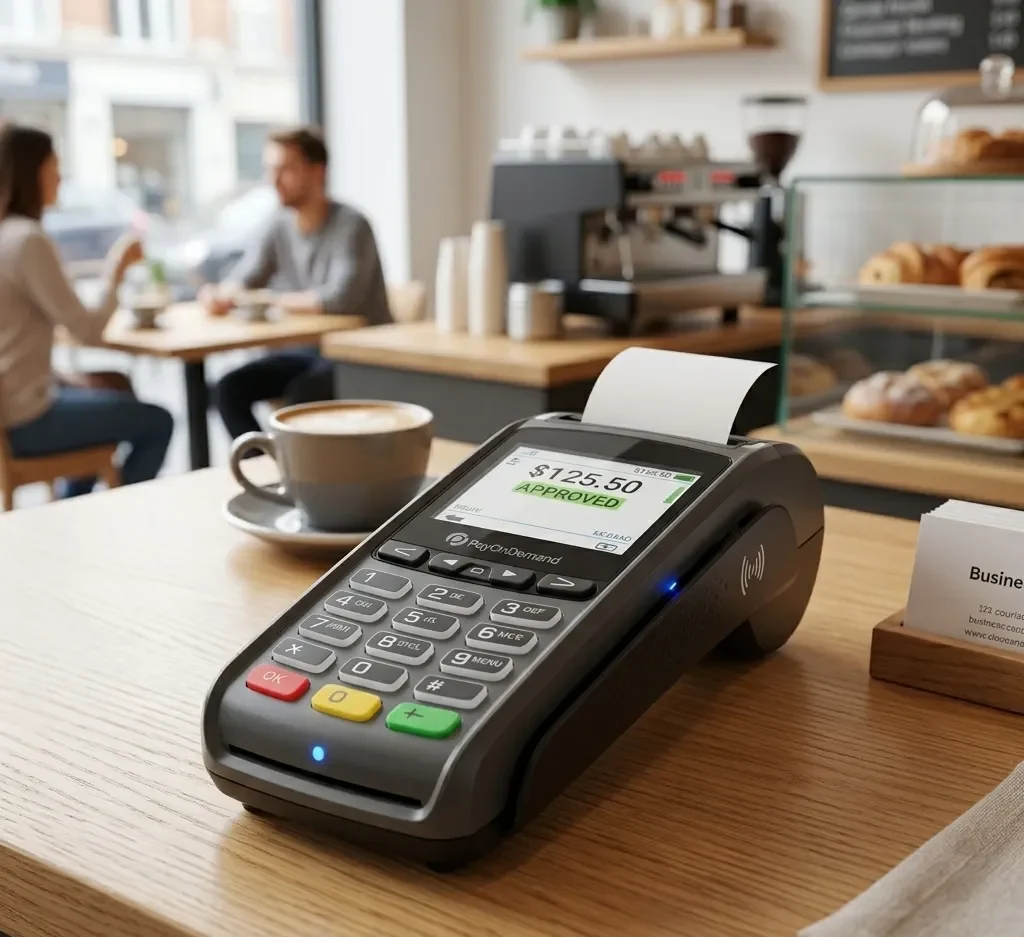
KWIK eCASH explains how hospitality payment systems can increase customer spend per visit with faster payments, loyalty tools and smoother ordering.
Increasing customer spend per visit is not just about raising prices or pushing bigger orders. In today’s market, hospitality payment systems play an important role in shaping how smoothly customers order, pay, and decide to spend more. When the payment experience is fast, simple, and convenient, venues can create more opportunities for add-on sales, repeat orders, and stronger customer satisfaction.
Why Hospitality Payment Systems Matter More Than Ever
Hospitality businesses across Australia are operating in a more competitive, cost-conscious market, so every customer interaction counts. Guests expect quick service, flexible payment options, and a smooth checkout experience. A slow terminal or confusing billing process can disrupt service and increase the risk of overspending.
Modern payment solutions do more than process transactions. They support contactless payments, mobile wallets, table-side checkout, and integrated POS features that help staff work more efficiently. For cafes, restaurants, bars, and takeaway venues, this can reduce wait times, improve turnover, and create a smoother experience that encourages customers to spend with confidence.
Businesses looking to improve efficiency may also benefit from this guide to EFTPOS terminals for hospitality businesses.
Faster Ordering and Easier Payments Lead to Higher Spend
Convenience directly influences how much customers are willing to spend. When guests can order and pay quickly, they are more likely to add another item rather than keep their order to a minimum. Features such as QR ordering, pay-at-table options, contactless payments, and simple bill splitting help remove friction during busy service periods.
This is especially important in group settings, where a complex payment process can lead to fewer extra orders or fewer shared items. When customers can settle the bill easily and keep the experience moving, they are generally more comfortable spending more. A stronger payment flow also gives venues more opportunities to promote add-ons, such as desserts, sides, or premium drinks.
Loyalty and Personalised Offers Help Customers Spend More Often
A well-designed payment experience should continue after checkout by helping businesses build stronger customer relationships. Integrated loyalty tools and personalised offers can reward repeat visits and encourage higher spend over time. With the right setup, hospitality payment systems can turn occasional customers into loyal regulars.
This approach supports both immediate revenue and long-term customer value. Instead of relying on one-off promotions, businesses can use connected systems to create a smarter and more personalised customer journey. Helpful strategies include:
- offering rewards after a set number of visits
- promoting upgrades or add-ons based on past orders
- sending targeted offers during quieter trading periods
- making loyalty points easy to earn and redeem at checkout
- using customer insights to tailor promotions by visit pattern or spend level
Smarter Hospitality Payment Systems with KWIK eCASH
KWIK eCASH offers hospitality businesses a practical way to grow revenue without adding unnecessary complexity. The right hospitality payment systems can support faster service, easier payments, stronger loyalty, and a better customer experience, helping venues increase customer spend per visit. With a solution built for speed, convenience, and flexibility, businesses can simplify transactions, improve daily operations, and create a smoother payment journey for every customer.
Upgrade your venue with payment technology designed to support service, convenience, and growth. Contact us today.
Related Blog Articles:
KWIK eCASH EFTPOS: The Smart POS System Solution for Modern Businesses
KWIK eCASH’s Affordable ATM Services: Smart Choices for Financial Institutions