
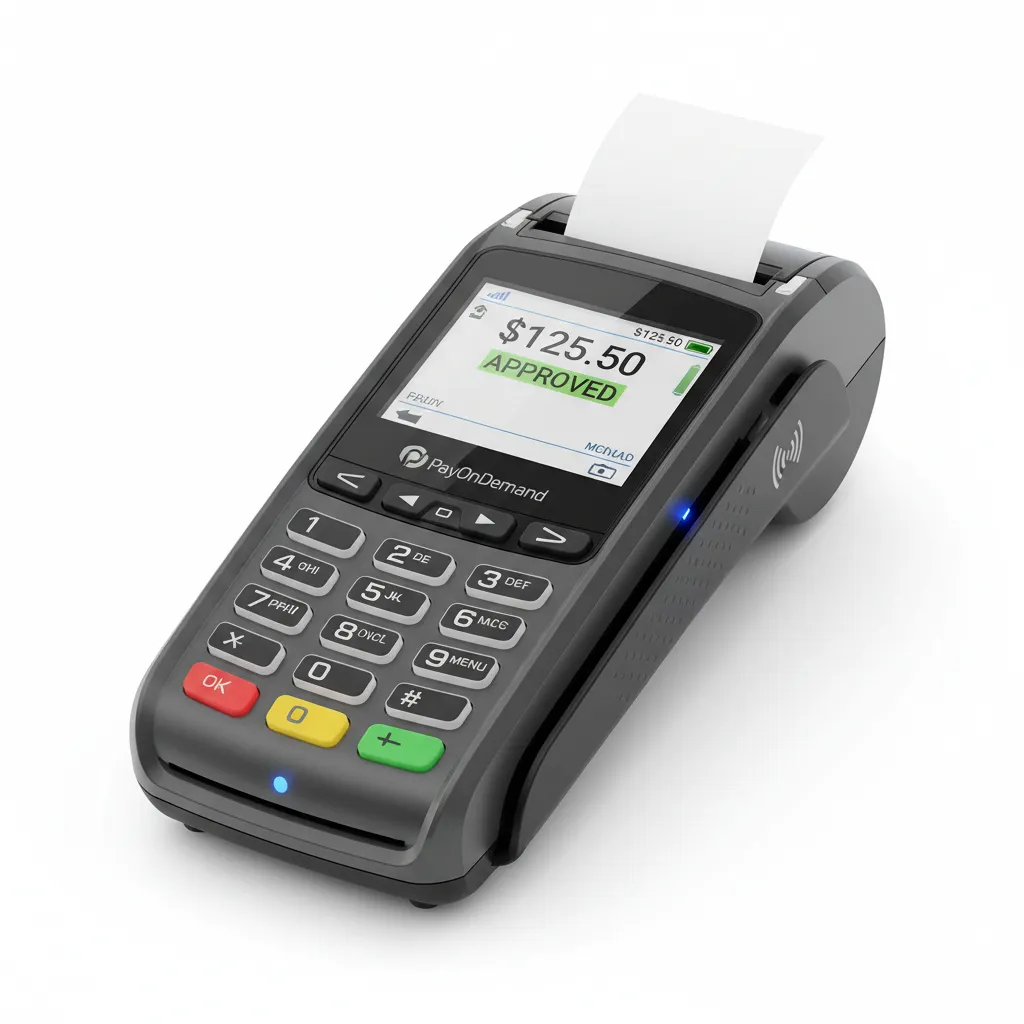
KWIK eCASH helps Australian businesses review merchant EFTPOS fees and compare practical EFTPOS options with Australia-wide support.
High card acceptance costs can erode margin gradually, particularly for businesses processing many card payments. The practical response is not to chase one advertised rate, but to review the total cost of the EFTPOS setup and compare it with how the business actually trades.
Why Merchant EFTPOS Fees Need Regular Review
Merchant EFTPOS fees can include more than the percentage or cents charged on each transaction. Depending on the provider and plan, businesses may also need to account for terminal charges, recurring account fees and other service costs.
A fee structure that suited the business when it opened may no longer be the best fit after transaction volume, average sale value or payment mix changes. Reviewing costs regularly helps identify where a different pricing structure or terminal arrangement may better suit current trading patterns.
At KWIK eCASH, we provide EFTPOS solutions for Australian businesses and can discuss available options based on the way your venue accepts payments.
What Should Businesses Compare Before Switching EFTPOS?
The cheapest headline rate does not always produce the lowest overall payment cost. A useful comparison should look at the complete commercial arrangement, including:
- Transaction pricing: Check how the provider charges debit, credit and other supported card transactions.
- Terminal costs: Confirm whether there are rental, hardware or recurring terminal charges.
- Contract terms: Review lock-in periods, cancellation conditions and any costs associated with changing the service.
- Transaction profile: Consider monthly card volume and average transaction value when comparing plans.
- Support: Check what help is available when a terminal or payment service needs attention.
- Pricing transparency: Ask for a clear breakdown of recurring and transaction-based charges before committing.
Our article on EFTPOS terminal providers explains other factors businesses can consider when comparing payment providers, including setup, pricing and support.
How Least-Cost Routing Can Affect Payment Costs
Least-cost routing can be relevant when reviewing merchant EFTPOS fees, but it should not be treated as a guaranteed saving on every transaction. The Reserve Bank of Australia’s least-cost routing guidance explains that eligible dual-network debit card transactions can be routed through the network that costs the merchant less to accept.
The lowest-cost network can vary according to transaction value and the merchant’s pricing plan. The RBA also notes that having least-cost routing enabled does not necessarily mean a merchant has the lowest overall payment costs.
That makes it important to ask a provider how routing works under the proposed plan and how it fits with the business’s actual transaction mix.
Take a Closer Look at Your Merchant EFTPOS Fees
Cost matters, but it is only one part of selecting a payment setup. Businesses should also consider how many terminals they need, where payments are taken and what level of support is appropriate for day-to-day operations.
KWIK eCASH is a Melbourne-based ATM and EFTPOS solutions company servicing businesses Australia-wide. Our EFTPOS information outlines options with transparent pricing, no lock-in contracts and Australia-based support.
If merchant EFTPOS fees are taking a larger share of your card sales than expected, review the full arrangement rather than accepting the current cost as fixed. Send us an enquiry with your business type, transaction requirements and current setup so we can discuss an EFTPOS option suited to your trading needs.